Gleichweit Mouthpieces & Barrels
Free shipping to Austria on orders over €199, and to Germany on orders over €299.

Boehm/German/Viennese/Reform Boehm Clarinet Systems explained
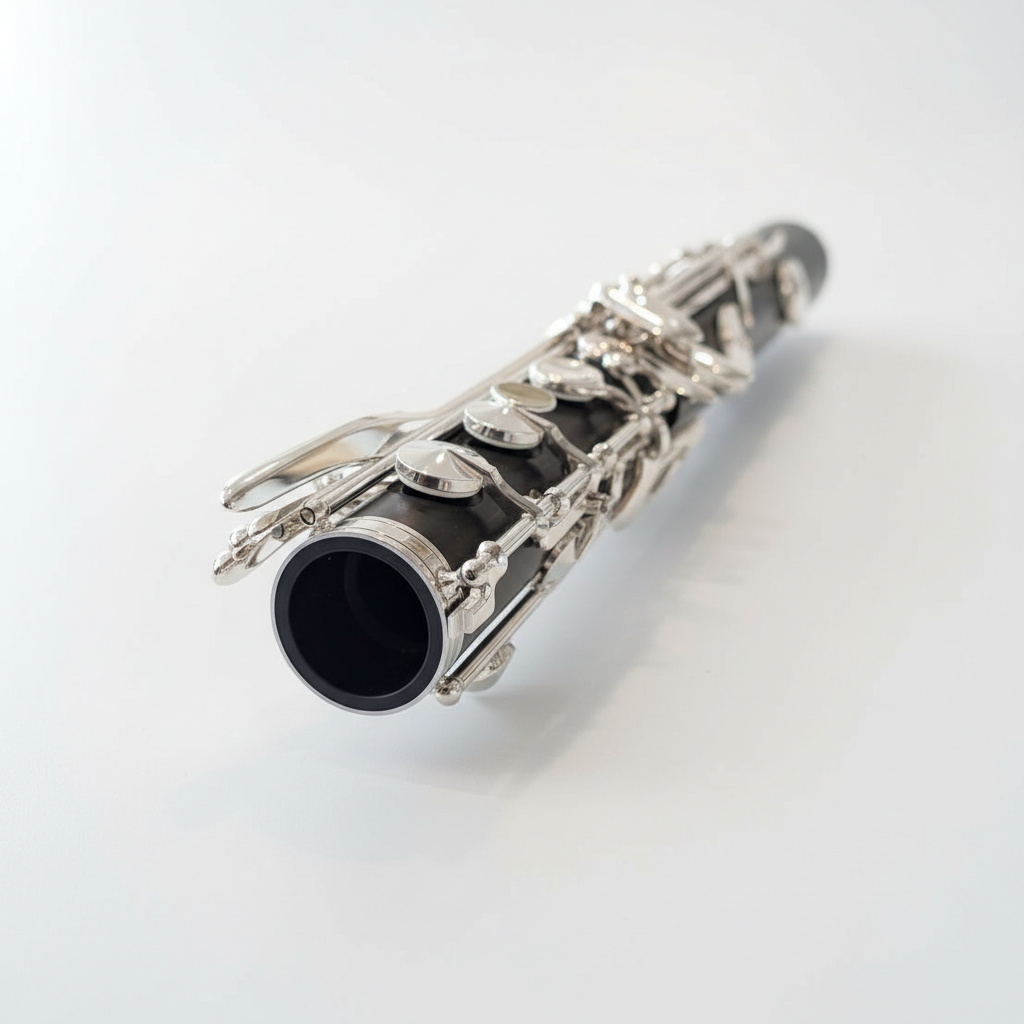
Clarinetists around the world play on different clarinet systems, each shaped by historical traditions, sound ideals, and regional performance practice. While the instrument may look similar at first glance, the Boehm, German, Viennese, and Reform Boehm systems differ significantly in construction, response, and tonal concept — and therefore require different mouthpiece approaches.
Understanding these systems is essential when choosing the right setup, especially a mouthpiece that truly supports your sound and intonation.
Böhm System
The Böhm system is the most widely used clarinet system worldwide, particularly in Europe, the USA, and much of Asia.
Key characteristics:
Relatively open bore
Even scale and flexible response
Clear articulation and projection
Bright, centered tone with strong carrying power
Böhm clarinets are often paired with mouthpieces that offer balanced resistance and flexibility, allowing players to shape tone and dynamics freely. Intonation standards vary regionally, most commonly A = 440 Hz (USA) and A = 442 Hz (Europe), which makes mouthpiece design especially important.
German (Oehler) System
The German system, often referred to as the Oehler system, is predominantly used in Germany and Austria.
Key characteristics:
Narrower bore
More resistance
Dark, compact, and covered sound
Strong tonal core and stability
Viennese System
The Viennese clarinet system represents a unique tradition, primarily used in Vienna and Austria- closely associated with the Viennese orchestral sound.
Key characteristics:
Distinct bore design, different from both Böhm and German
Warm, vocal, and expressive tone
Highly refined articulation
Exceptional color variation
Viennese clarinets demand mouthpieces specifically designed for this system. Standard Böhm or German mouthpieces typically do not function correctly. The focus is on natural resonance, lyrical phrasing, and precise pitch stability, especially in orchestral contexts.
Reform Boehm System
The Reform Boehm system was developed as a hybrid, combining elements of the Böhm and German systems.
Key characteristics:
Böhm-style keywork
German-style bore influence
Darker tonal color than standard Böhm
Improved intonation consistency
Reform Boehm clarinets are popular in parts of Central Europe, offering Böhm fingering with a more German-inspired sound concept.
Why the Right Mouthpiece Matters
Each clarinet system is built around a specific sound ideal. Using a mouthpiece that does not match the system can result in:
Intonation instability
Excessive embouchure tension
Limited tonal flexibility
Reduced projection or control
Gleichweit mouthpieces are developed with these system-specific requirements in mind, ensuring that the mouthpiece supports the instrument — rather than forcing the player to compensate. There is no “one-size-fits-all” solution when it comes to clarinet systems. The Böhm, German, Viennese, and Reform Böhm systems each offer unique musical possibilities, but only when paired with the right setup. Understanding your clarinet system is the first step toward achieving natural intonation, reliable response, and a sound that truly reflects your musical identity.
If you are unsure which mouthpiece is right for your clarinet system or pitch standard, we are always happy to help you find the best solution for your playing.